
additives
Is Maltodextrin Bad for You? What the Data Actually Says
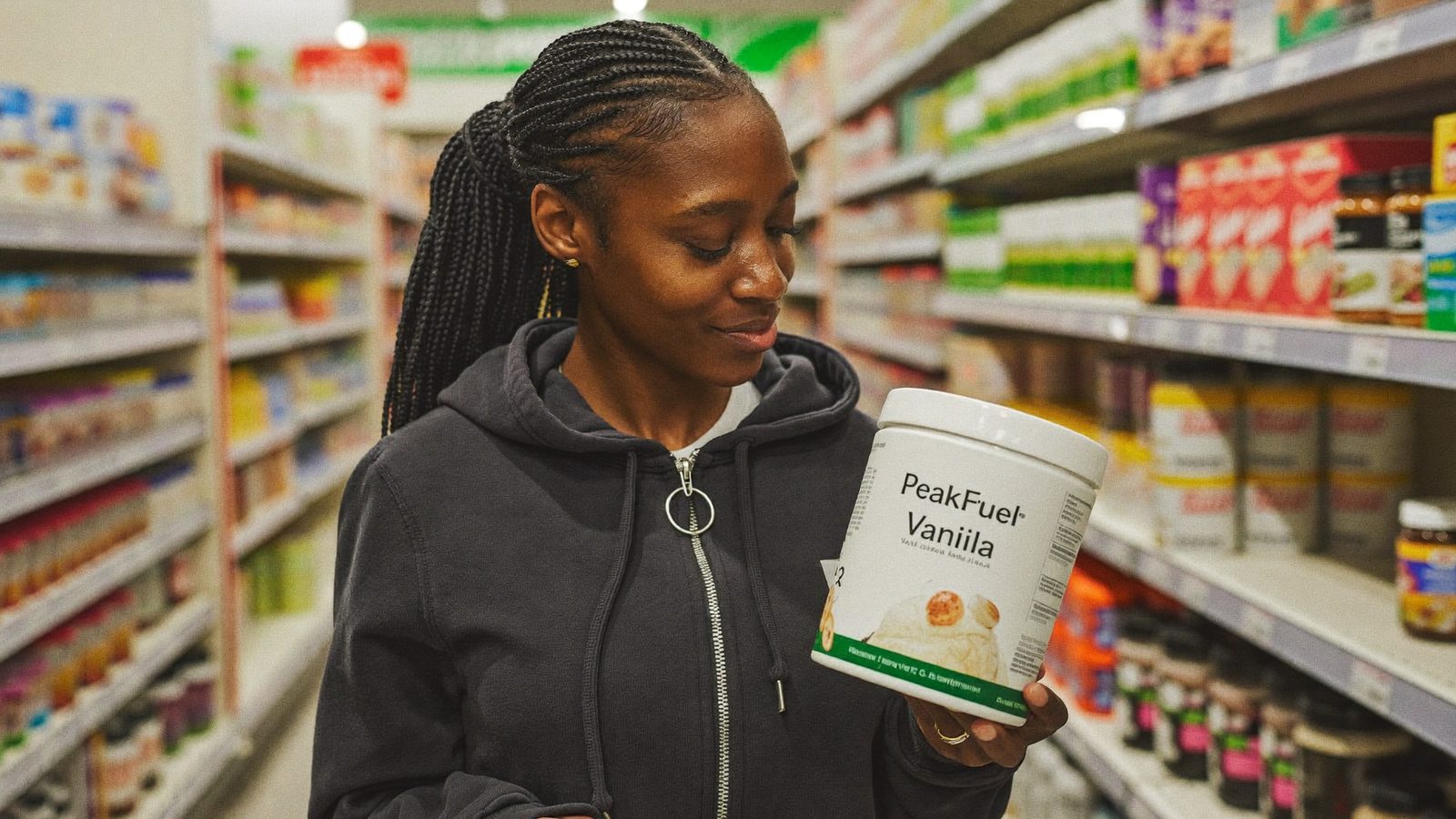
Maltodextrin is not toxic and is FDA-recognized as safe, but it digests into glucose faster than table sugar, adds empty calories, and can hide in products labeled sugar-free. For most people, small amounts are harmless. If you manage blood sugar or eat it daily as a top ingredient, it is worth limiting.
Evidence strength: moderate
Blood sugar and calorie effects are well established in human data, while gut microbiome concerns rest mostly on animal and lab studies that have not yet been confirmed in human trials.
Key takeaways
- Maltodextrin is a refined starch that regulators consider safe, so the real question is dose and context, not toxicity.
- It raises blood sugar faster than table sugar, which matters most for people managing diabetes or insulin resistance.
- Gut microbiome concerns come mainly from animal and lab studies, so treat them as emerging rather than proven.
- Check ingredient position: maltodextrin in the top three means it is a major component, not a trace thickener.
- ScanVeer flags maltodextrin and related starches from a barcode scan and suggests better-rated swaps.
In this article
What Maltodextrin Is (and Why It Is Everywhere)
Is maltodextrin bad for you? To answer honestly, start with what it actually is. Maltodextrin is a white powder made by breaking down starch, usually from corn, rice, potato, or wheat, into short chains of glucose. It is cheap, flavorless, and dissolves easily, which is why manufacturers love it.
It thickens, adds bulk, prevents caking, and extends shelf life. You will find it in sports drinks, protein powders, salad dressings, instant soups, flavored chips, artificial sweetener packets, and even some vitamins. Because it is not technically a sugar, it can appear in products labeled "sugar-free" or "no added sugar."
Is maltodextrin regulated?
In the United States, the FDA lists maltodextrin as generally recognized as safe (GRAS). The EU and most other regulators treat it the same way. No regulator has banned it, and there is no established toxic dose.
So the question is really about dose, context, and what maltodextrin tells you about the product. A cheap starch filler near the top of a label is rarely a sign of a nutrient-dense food. That is exactly the kind of signal ScanVeer weighs when it grades a product from 0 to 100.
Is Maltodextrin Bad for You? What the Data Says
Here is where the evidence stands, ranked from established to emerging.
Established: it spikes blood sugar
Maltodextrin digests almost instantly into glucose. Its glycemic index is usually reported between 85 and 105, higher than table sugar at around 65. For people managing diabetes or insulin resistance, this is the most practical concern. Harvard's Nutrition Source explains why fast-digesting carbohydrates matter for blood sugar control.
Established: it is empty calories
Maltodextrin delivers about 4 calories per gram with no fiber, vitamins, or minerals. A pinch in a dressing is trivial. Large scoops in a "mass gainer" shake add up quickly.
Emerging: gut microbiome effects
Lab and animal studies suggest maltodextrin may help certain bacteria, including a strain of E. coli linked to Crohn's disease, stick to the gut lining, and may thin the protective mucus layer. These findings are real but come mostly from mice and petri dishes. Human trials are limited, so this stays in the "watch this space" column.
Not supported: cancer, toxicity, or allergy for most people
There is no credible evidence that maltodextrin causes cancer or is toxic at food-level amounts. Wheat-derived maltodextrin is so heavily processed that it is generally considered gluten-free, though people with celiac disease may prefer to confirm the source with the manufacturer.

How to Catch Maltodextrin and Similar Additives on Any Label
Maltodextrin rarely travels alone. It belongs to a family of refined starches and sugars that share one job: cheap bulk and fast energy.
Names to look for
- Maltodextrin, including "corn maltodextrin" and "tapioca maltodextrin"
- Dextrose and glucose syrup: pure fast sugar, often listed right beside maltodextrin
- Corn syrup solids: dried glucose syrup, nearly identical in effect
- Dextrin and modified food starch: cousins with similar roles
- Polydextrose and resistant maltodextrin: confusingly named, but these are low-glycemic fibers that behave differently
Many of these double as sweeteners. Our guide to 60+ hidden sugar names covers the full list.
Three label habits that work
- Check position. Ingredients are listed by weight. Maltodextrin in the top three means it is a major component, not a trace anti-caking agent.
- Read "sugar-free" skeptically. A product showing 0 g sugar but 20 g carbohydrate often gets there with maltodextrin.
- Scan instead of squinting. ScanVeer reads the full ingredient list from the barcode, flags fast-digesting starches and additives, and shows how each one affects the score. It works the same way on food, supplements, and cosmetics.

Practical Rules: When It Matters and When It Does Not
Context decides whether maltodextrin is a problem for you.
When it is fine, even useful
- During long workouts. Endurance athletes use maltodextrin on purpose because fast glucose is the goal.
- Trace amounts. A dusting in a spice blend to prevent clumping changes nothing nutritionally.
When it deserves a second look
- You manage blood sugar. Treat it like sugar when you count carbohydrates.
- It is a top ingredient in daily foods. Protein bars, cereals, and snack chips eaten every day add up.
- You have IBD or ongoing gut issues. The evidence is early, but a trial reduction is low-risk if your doctor agrees.
- It is in your supplement. Fillers displace active ingredients. Our guide to reading a supplement label shows how to spot them.
The practical move is not elimination. It is swapping the products where maltodextrin does the heavy lifting for versions where it does not. When ScanVeer flags a low-scoring item, it suggests better-rated alternatives in the same category, so the swap takes seconds instead of a research session.
Check Any Label in Seconds with ScanVeer
Reading every ingredient list is exhausting. ScanVeer does it for you. Scan the barcode on any food, supplement, or cosmetic and get an independent 0-100 health score with maltodextrin and other additives called out plainly.
No brand pays for a better score. Our method is public at scanveer.com/how-we-score, and the app is free at scanveer.com/get.
Scan it before you buy it
ScanVeer gives any food, cosmetic, or supplement an instant 0–100 health score from unbiased data. Free and independent — brands can't pay for scores, ever.
Download ScanVeer freeFrequently asked questions
Is maltodextrin worse than sugar?
For blood sugar, yes. Maltodextrin's glycemic index is typically 85 to 105, while table sugar sits near 65, so it raises glucose faster. Calorie for calorie they are similar. Neither is harmful in small amounts, but maltodextrin is sneakier because it can appear in products labeled sugar-free.
Is maltodextrin bad for diabetics?
It is a fast-digesting carbohydrate that behaves like glucose, so people with diabetes should count it as sugar when managing carbs. Small amounts in a sauce rarely matter. Large amounts in drinks, bars, or shakes can cause noticeable spikes. Check with your care team about your individual targets.
Does maltodextrin cause gut problems?
Animal and lab studies suggest it may affect gut bacteria and the mucus lining, but human evidence is limited. Most people notice nothing. If you have Crohn's, colitis, or persistent digestive issues, reducing maltodextrin is a low-risk experiment worth discussing with your doctor.
Is maltodextrin gluten-free?
Usually. Most maltodextrin in the US comes from corn. Even wheat-derived maltodextrin is processed so thoroughly that it typically tests below gluten thresholds and is generally considered gluten-free. People with celiac disease who want certainty can look for a certified gluten-free label or ask the manufacturer.
How can I tell how much maltodextrin is in a product?
Labels do not list exact amounts, but ingredient order tells you a lot. Ingredients appear by weight, so maltodextrin in the top three is a major component. A barcode scanner app like ScanVeer flags it instantly and shows how it affects the overall score.
Is maltodextrin in supplements a problem?
Not dangerous, but worth noticing. In supplements it is a filler or flow agent, and heavy use means less room for active ingredients. Prefer products with short ingredient lists and third-party testing, and compare options with a supplement scanner before buying.