
ScanVeer Blog
How to Read a Supplement Label: Fillers, Blends & Third-Party Testing
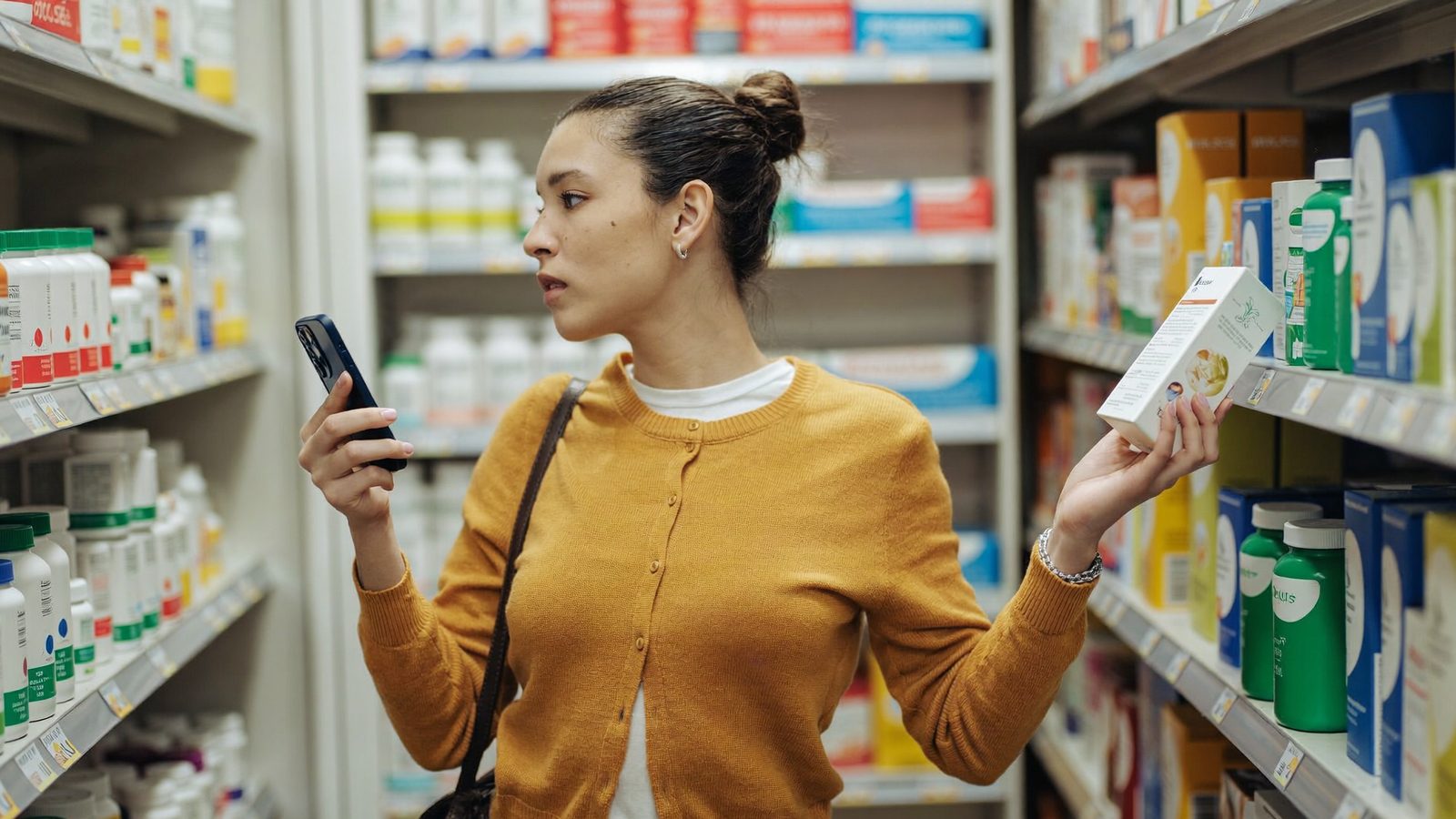
To read a supplement label, work from the Supplement Facts panel outward: confirm the serving size, check each active ingredient's dose against a trusted reference, scan the “Other ingredients” line for fillers, and finish by looking for a third-party testing seal — USP, NSF, or Informed Sport.
Key takeaways
- Supplements are regulated as food, not medicine — the FDA does not approve them before they reach shelves, so the label is largely self-reported.
- The Supplement Facts panel shows active ingredients and doses; the "Other ingredients" line underneath is where fillers, sweeteners, and colorants hide.
- A proprietary blend discloses one combined weight instead of individual doses, making it impossible to verify how much of anything you're actually taking.
- Third-party seals such as USP, NSF, and Informed Sport confirm identity, potency, and purity — they don't prove the supplement works.
- ScanVeer scores supplements using the NIH's Dietary Supplement Label Database, flagging banned substances, proprietary blends, and risky additives in one scan.
In this article
Why supplement labels need more scrutiny than food labels
Most people assume that if a supplement is sold in a major pharmacy, someone has checked it. That assumption is wrong in an important way. Under the Dietary Supplement Health and Education Act of 1994, supplements in the United States are regulated as a category of food, not as drugs. The FDA's dietary supplement guidance is explicit: manufacturers are responsible for ensuring their own products are safe and accurately labeled, and the agency generally acts only after a product is already on the market.
That is a meaningful difference from a prescription medicine, where efficacy and manufacturing are verified before sale. It doesn't mean supplements are dangerous — the vast majority are exactly what they claim. It means the label is largely self-reported, and the burden of scrutiny shifts to you. Independent analyses have repeatedly found products whose actual contents diverge from their labels, ranging from underdosed actives to ingredients that were never declared at all.
The practical response isn't cynicism. It's literacy. A supplement label contains everything you need to make a sound judgment — but only if you know which parts carry information and which parts carry marketing.
The Supplement Facts panel, line by line
The Supplement Facts panel is the boxed table on the back. Unlike the front of the bottle, its format is mandated, which makes it the most trustworthy real estate on the package. Read it in this order:
| Line | What it tells you | What to watch for |
|---|---|---|
| Serving size | How much counts as one dose | A "serving" of 3 capsules makes a 90-count bottle a 30-day supply, not 90 days |
| Servings per container | Real cost per day | Cheap bottles are often cheap because a serving is smaller |
| Amount per serving | The actual dose of each active | Compare against the dose used in research, not the biggest number on the front |
| % Daily Value | Share of the reference intake | Blank means no DV has been established — not that the ingredient is unimportant |
Serving size is where most people misread a label. A protein powder advertising 25 g of protein may be measuring two scoops; a magnesium bottle promising 400 mg may be counting four capsules. Always divide the headline claim by the serving size before comparing two products on price or potency.
"Other ingredients": where the fillers live
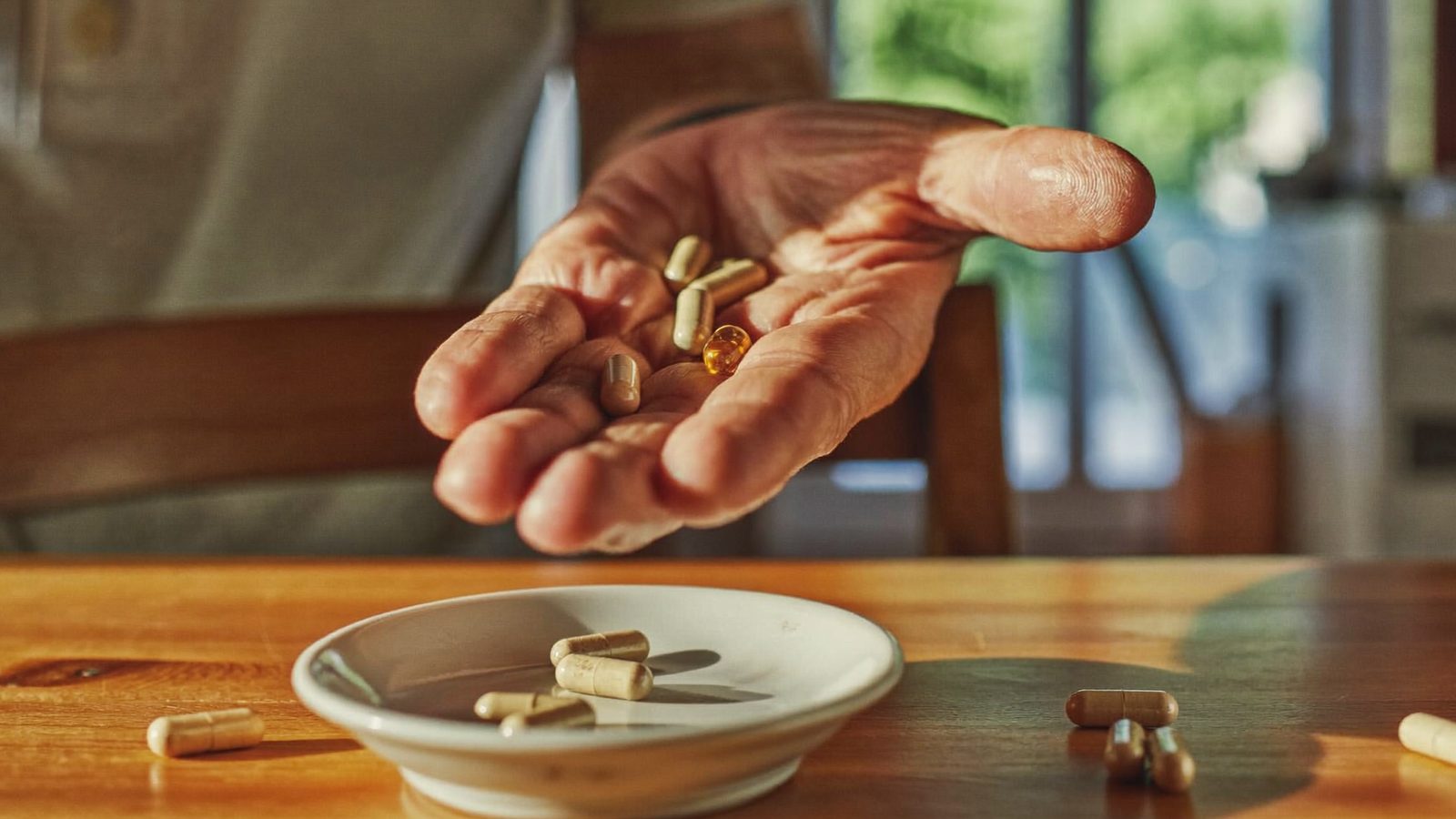
Directly beneath the Supplement Facts box sits a line labelled Other ingredients. It falls outside the mandated panel and is easy to skim past — which is exactly why it deserves attention. This is where binders, flow agents, capsule materials, sweeteners, flavourings, and colorants are declared.
Most are benign and genuinely necessary: magnesium stearate stops powder sticking to machinery, cellulose forms the capsule, silicon dioxide prevents clumping. None of those warrant concern. The ones worth registering are the ones that serve taste or appearance rather than function:
- Artificial sweeteners — sucralose and acesulfame potassium are common in powders and gummies, and you may be consuming them daily for years.
- Artificial colorants — purely cosmetic in a capsule you swallow in two seconds.
- Titanium dioxide — used as a whitener; the European Food Safety Authority concluded in 2021 that it can no longer be considered safe as a food additive, and it is now banned in food across the EU.
A single additive rarely decides whether a product is worth taking. The relevant question for a supplement is different from the one you'd ask about a snack: this is something you may swallow every morning for a decade. Cumulative exposure is a reasonable thing to weigh.
The proprietary blend problem
A proprietary blend lists several ingredients together under a single combined weight. You might see "Energy Matrix — 2,000 mg" followed by eight ingredient names and no individual amounts.
In practice, blends frequently front-load an inexpensive bulk ingredient and include only trace quantities of the expensive compound featured in the marketing. The technical term for this is fairy dusting, and the label makes it undetectable by design.
Blends are perfectly legal, and a manufacturer protecting a genuinely novel formulation is a legitimate reason to use one. Brands confident in their formulas increasingly list every ingredient separately — and that transparency is itself a quality signal.
Third-party testing: seals that actually mean something
Because no agency verifies contents before sale, independent laboratory testing is the strongest assurance available. A few seals carry real weight:
| Seal | What it verifies | Best for |
|---|---|---|
| USP Verified | Identity, potency, purity, and manufacturing quality | Everyday vitamins and minerals |
| NSF Certified for Sport | Contents plus screening for banned substances | Athletes subject to drug testing |
| Informed Sport | Batch-level testing for banned substances | Competitive and professional sport |
Be precise about what a seal means. It confirms the bottle contains what the label says, in the stated amount, without the contaminants screened for. It does not mean the supplement is effective, that you need it, or that the dose matches clinical evidence. Verification is about honesty, not efficacy — and honesty is the part you cannot otherwise check.
Equally, note what marketing language does not mean. "Lab tested," "GMP," "clinically proven," and "doctor formulated" are unregulated phrases that any brand may print without external verification. Only a named certifying body counts.

A 60-second label check you can do in the aisle
Condensed into a routine you can run while standing in the store:
- Turn the bottle over. Ignore the front entirely — it is advertising.
- Find the serving size, then recalculate the headline claim against it.
- Check each active dose against what you were actually looking for.
- Scan for "proprietary blend." If the dose of the ingredient you came for is hidden inside one, you cannot verify it.
- Read "Other ingredients" for sweeteners, colorants, and titanium dioxide.
- Look for USP, NSF, or Informed Sport. Absence isn't disqualifying, but presence is meaningful.
Six steps is still a lot to run on every bottle, which is the honest case for letting an app do it. ScanVeer scores supplements against the National Institutes of Health Dietary Supplement Label Database — the authoritative public record of what is actually printed on US supplement labels. One scan surfaces the active ingredients, flags proprietary blends, identifies risky additives and banned substances, and returns a single 0–100 score, using the same published methodology applied to food and cosmetics.
Supplement coverage is also the clearest gap between scanner apps: many cover food only. If you're weighing options, our comparison of independent scoring approaches covers where that difference matters, and the 2026 scanner app guide explains how barcode scoring works generally.
This article is general information about reading product labels, not medical advice. Supplements can interact with medications and conditions — talk to a doctor or pharmacist before starting anything new.
Scan a supplement before you buy it
ScanVeer reads the label for you — actives, fillers, blends, and banned substances — and returns one honest score. Free, independent, and never paid for placement.
Get ScanVeer free