
food guides
Hidden Sugar Names in Ingredients: 60+ Terms to Spot Before You Buy
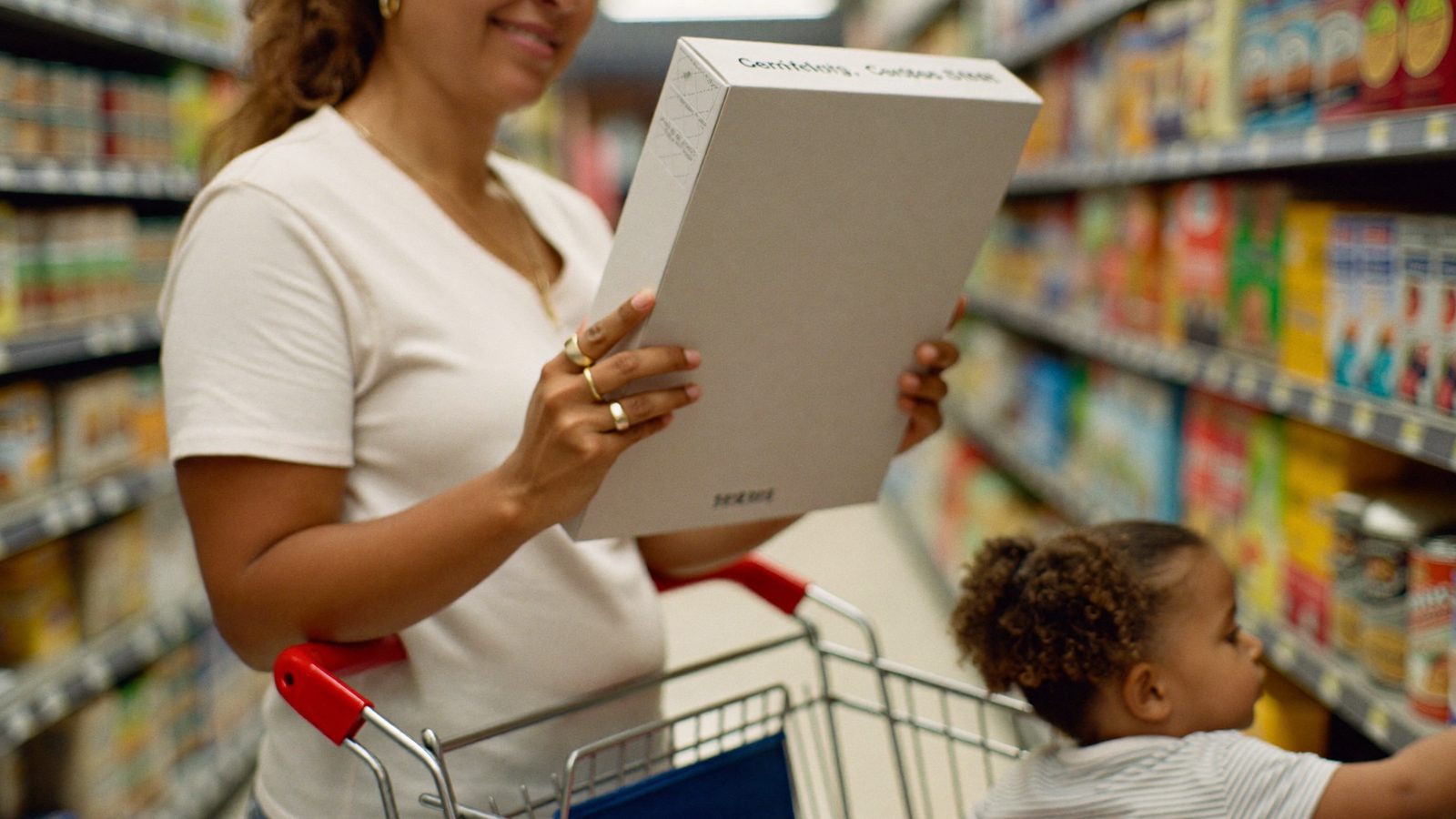
Hidden sugar names in ingredients fall into five groups: words ending in -ose (dextrose, sucrose, maltose), syrups (corn, rice, agave, malt), juice concentrates, natural-sounding sugars (honey, coconut sugar, molasses) and less obvious terms like barley malt and invert sugar. Count every name you find, then confirm the amount on the Added Sugars line.
Your shopping checklist
- Count every sugar name in the ingredient list, not just the first one
- Read the Added Sugars line in grams and percent Daily Value
- Compare per 100 g when serving sizes differ
- Treat honey, agave and juice concentrate as added sugar
- Remember maltodextrin and sugar alcohols do not appear in the sugar lines
Key takeaways
- Ingredients are listed by weight, so splitting sugar across several names can hide how much a product really contains.
- Learn five groups of names instead of memorizing sixty words: -ose endings, syrups, juice concentrates, natural-sounding sugars and less obvious terms.
- The Added Sugars line on the US Nutrition Facts label tells you how much; the ingredient list tells you what kind.
- Honey, agave and juice concentrate all count as added sugar under US labeling rules, whatever the front of the pack says.
- Maltodextrin and sugar alcohols are not counted as sugar on the label, so a low sugar line does not always mean a low-sweetener product.
In this article
- Why sugar hides under so many names
- The full list of hidden sugar names, grouped so you can remember them
- How to read the ingredients list and nutrition panel together
- Savory and unexpected places sugar shows up
- Sugar substitutes that are not sugar but still worth knowing
- A 30-second in-store check for hidden sugar
Why sugar hides under so many names
Sugar is one ingredient with dozens of labels. Food makers choose different sweeteners for browning, moisture, texture and shelf life, not just taste, so a single cookie can list cane sugar, corn syrup and dextrose in one recipe.
The order matters. US rules require ingredients to be listed by weight, heaviest first. Splitting the sweetener across three names can push each one lower down the list, so "sugar" no longer sits near the top even when sweeteners are the biggest ingredient overall.
Three terms appear on the label. Total sugars counts everything, including the sugar naturally present in milk and fruit. Added sugars counts only what was put in during processing, including syrups, honey and juice concentrates. Naturally occurring sugars is the difference between the two.
Sugar is not a hazard sitting on a shelf. WHO's sugars guideline (2015) recommends free sugars stay below 10% of total energy intake, conditionally below 5%, based on evidence linking higher intake to unhealthy weight gain and dental caries. That guidance is about your whole diet, so amount and frequency decide the risk, not the presence of one word on one label.
The full list of hidden sugar names, grouped so you can remember them
You do not need to memorize sixty words. Learn five groups and you will catch almost every hidden sugar name in ingredients.
- Words ending in -ose: sucrose, dextrose, fructose, glucose, maltose, lactose, galactose. The suffix is the tell.
- Syrups: corn syrup, high-fructose corn syrup, corn syrup solids, rice syrup, brown rice syrup, agave syrup or nectar, maple syrup, malt syrup, golden syrup, tapioca syrup, sorghum syrup.
- Juices and concentrates: fruit juice concentrate, apple or grape juice concentrate, cane juice, evaporated cane juice, dehydrated cane juice, cane juice crystals.
- Natural-sounding names: honey, coconut sugar, date sugar, molasses, turbinado, muscovado, demerara, raw sugar, brown sugar, beet sugar, panela, jaggery, palm sugar.
- Less obvious terms: barley malt, malt extract, diastatic malt, dextrin, maltodextrin, treacle, carob syrup, fruit nectar, caramel, invert sugar, castor sugar, confectioner's sugar, yacon syrup, rice malt.
Two cautions. Maltodextrin and dextrin are starch-based carbohydrates, not sugars in the legal sense; more on that below. And a natural-sounding name is still added sugar under the US rule: honey, agave and coconut sugar all count toward the Added Sugars line.
How to read the ingredients list and nutrition panel together
The ingredient list and the Nutrition Facts panel answer different questions, so use them together.
Step one: count, not just locate
Scan the list for every sugar name and count them. Three sugar words in the middle of a list often add up to more than one near the top.
Step two: confirm with the Added Sugars line
US Nutrition Facts labels now must show Added Sugars in grams and as a percent Daily Value, indented under Total Sugars. The ingredient list tells you what kind; this line tells you how much per serving.
Step three: watch the serving size
Two granolas can look different only because one lists a 30 g serving and the other 55 g. Compare per 100 g, or per the amount you actually eat.
Step four: know what the claims mean
Under FDA rules, sugar-free means less than 0.5 g of sugars per serving, and no added sugar means nothing sweet was added during processing, even if natural sugars from fruit or milk are high. Unsweetened generally signals that no sweeteners of any kind were added. None of these claims means low in calories.
Savory and unexpected places sugar shows up
Sugar in dessert is expected. Sugar in dinner is where hidden sugar names in ingredients earn their reputation.
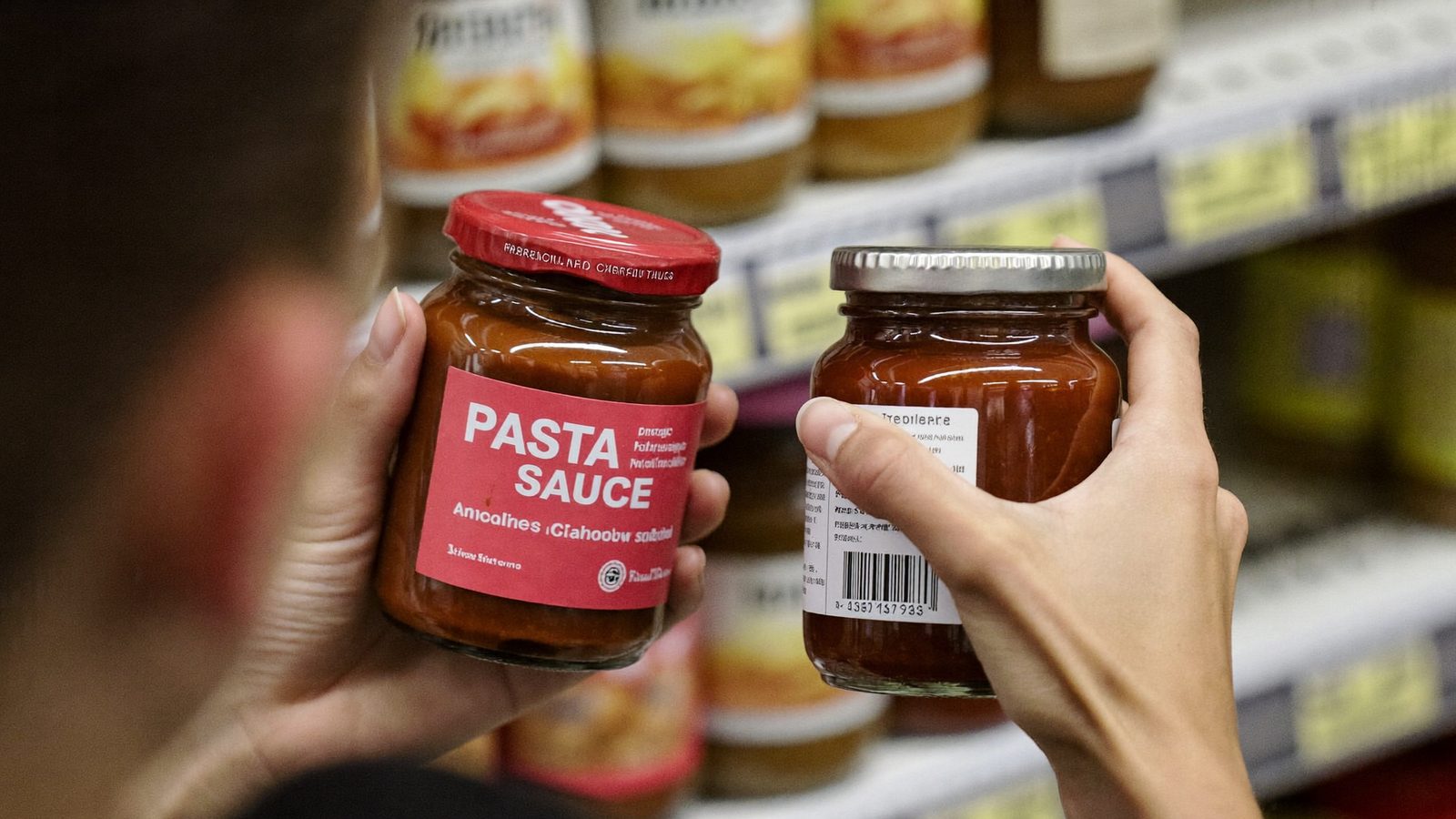
Savory foods: sandwich bread, pasta sauce, ketchup, barbecue sauce, salad dressing, deli meat, crackers, plant milks and flavored yogurt. Sugar here feeds yeast, balances acidity, helps cure meat and improves browning, so it appears as dextrose, corn syrup or cane sugar rather than plain "sugar".
Children's products: fruit snacks, toddler pouches, flavored milks and juice drinks often list fruit juice concentrate as the first or second ingredient. Concentrate counts as added sugar on the US label.
Supplements: gummy vitamins, protein powders, electrolyte mixes and liquid syrups are foods in disguise. A gummy needs sugar or a sugar alcohol to hold its shape, so check the Supplement Facts panel for grams of sugar per serving. Whether that daily amount matters for a child's or adult's health has not been reviewed in ScanVeer's evidence registry. [REVIEW]
Cosmetics: sucrose, glucose and fructose appear in scrubs and moisturizers as exfoliants and humectants, ingredients that hold water in the skin. This is not dietary sugar. You do not eat it, so the WHO intake guidance does not apply; the question there is skin tolerance, not calories.
Sugar substitutes that are not sugar but still worth knowing
Some ingredients sweeten without being sugar, and a few behave like sugar without sweetening. Knowing which is which prevents both false alarms and missed ones.
Sugar alcohols such as sorbitol, xylitol, erythritol and maltitol are carbohydrates that taste sweet but are not sugars under the label rule. They appear by name in the ingredient list and may be shown as "Sugar Alcohol" on the Nutrition Facts panel. Their effects on digestion and health have not been reviewed for this article. [REVIEW]
High-intensity sweeteners such as sucralose, aspartame, acesulfame potassium, stevia leaf extract and monk fruit extract are listed by name in ingredients and add no grams to the sugar lines. Their long-term health effects are an area of active research, and ScanVeer has not reviewed that evidence here. [REVIEW]
Maltodextrin is a white powder made by breaking down starch, usually from corn, rice or potato. Legally it is not a sugar, so it does not count toward Total or Added Sugars. It is a carbohydrate, and how the body handles it compared with sugar has not been reviewed for this article. [REVIEW]
Established: these substances are not counted as sugar on the label. Emerging: most of the health questions around them.
A 30-second in-store check for hidden sugar
Here is the whole workflow, fast enough to do with one hand on the cart.
- Scan the barcode with ScanVeer. The app shows the product's independent 0–100 health score and lists the sugar names it found in the ingredients.
- Check the Added Sugars line. Grams per serving and percent Daily Value tell you how much, not just whether.
- Count the sugar names. One near the bottom is a different product from four spread across the list.
- Compare a swap. ScanVeer suggests a better-rated product in the same category so you can compare per 100 g side by side.
Sugar quantity sits inside the nutrition axis of ScanVeer's score. Sugar added to a product, under any name, is also flagged as an ingredient because global guidance limits free-sugar intake, but that flag deliberately carries low weight to avoid counting the same sugar twice. Brands cannot pay for scores. The full method is at how we score.
Set realistic goals. Fewer sugary items per week and smaller portions move the needle more than chasing zero. A higher-sugar product can still be a reasonable choice when it replaces something with more, when it is an occasional treat, or when the rest of the label is strong.
See every sugar name before you buy
Download ScanVeer for free and scan any product barcode to see its independent 0–100 health score, the sugar names in its ingredients, and a better-rated swap before you buy.
Download ScanVeer freeFrequently asked questions
What are the most common hidden names for sugar on ingredient labels?
The most common are sugar, cane sugar, corn syrup, high-fructose corn syrup, dextrose, fructose, maltose, honey, molasses, brown rice syrup, fruit juice concentrate, evaporated cane juice and barley malt. Any word ending in -ose, any syrup, and any juice concentrate is a sugar name worth counting.
How can I tell added sugar from natural sugar on a food label?
Look at the US Nutrition Facts panel. Total Sugars includes sugar naturally in milk and fruit. The indented Added Sugars line, with its percent Daily Value, shows only what was put in during processing. Plain yogurt with 5 g Total Sugars and 0 g Added Sugars contains only natural milk sugar.
Is maltodextrin a sugar?
Legally, no. Maltodextrin is a powder made by breaking down starch, so it does not count toward Total or Added Sugars on the label. It is still a carbohydrate. How the body handles it compared with sugar has not been reviewed in ScanVeer's evidence registry for this article. [REVIEW]
Does 'no added sugar' mean the product is low in sugar?
No. Under FDA rules it only means no sugars or sweetening ingredients were added during processing. Fruit juice, dried fruit and flavored milk can carry a high Total Sugars figure with zero Added Sugars. Read the Total Sugars line and the serving size to judge the actual amount.
How much added sugar per day is recommended?
WHO's sugars guideline (2015) recommends free sugars stay below 10% of total energy intake, conditionally below 5%, based on evidence linking higher intake to unhealthy weight gain and dental caries. The US Dietary Guidelines also use a 10% of calories limit. The guidance covers your whole diet, not any single product.